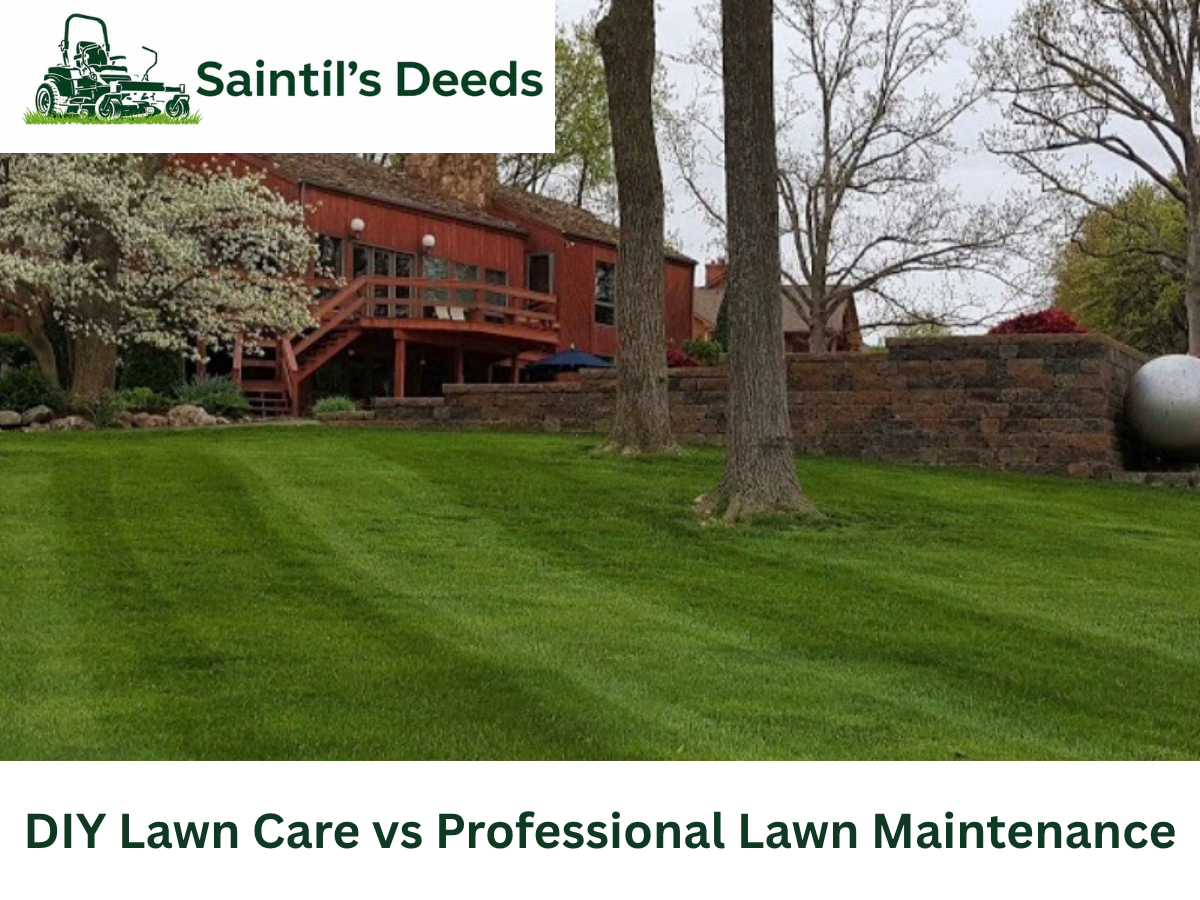
This decision is more important than it may seem. Lawn care involves time, effort, tools, and knowledge about soil, weather, and plant health. A small mistake in watering or fertilizing can lead to patchy grass or unwanted weeds taking over. On the other hand, professional help can reduce stress but comes with ongoing costs.
In this blog, we will compare DIY lawn care with professional lawn maintenance in detail. We will look at costs, time, results, and long-term value so you can decide what works best for your home and lifestyle.
Understanding DIY Lawn Care
DIY lawn care means you handle all lawn maintenance tasks yourself. This includes mowing, watering, fertilizing, weeding, aeration, and seasonal cleanup.
Common Tasks in DIY Lawn Care
Homeowners who manage their own lawns typically handle:
- Regular mowing and edging
- Watering schedules based on weather
- Applying fertilizer and weed control products
- Raking leaves and clearing debris
- Basic pest control
- Overseeding bare patches
Each of these tasks may seem simple, but they require consistency. Missing a few weeks during peak growing season can quickly affect lawn health.
Skills and Knowledge Needed
DIY lawn care is not just about owning a mower. It requires understanding:
- Soil type and pH balance
- Grass type suitable for your region
- Seasonal care routines
- Proper watering techniques
- Safe use of chemicals and fertilizers
Without this knowledge, homeowners may unintentionally damage their lawns. For example, over-fertilizing can burn grass, while under-watering can cause dry patches.
Advantages of the DIY Approach
- Lower upfront cost if you already own tools
- Full control over products used
- Flexible schedule based on personal time
- Satisfaction of maintaining your own yard
However, these benefits come with trade-offs in time and effort.
What Professional Lawn Maintenance Includes
Professional lawn maintenance refers to hiring trained specialists to care for your lawn on a scheduled basis. These services are often more structured and use commercial-grade equipment.
Typical Services Offered
A professional lawn care service usually includes:
- Scheduled mowing and edging
- Fertilization programs based on soil testing
- Weed and pest control treatments
- Aeration and dethatching
- Seasonal cleanup and preparation
- Irrigation system checks and adjustments
Some companies also offer advanced services such as disease treatment and landscape design support.
How Professionals Work
Professionals begin by assessing your lawn’s condition. They may test the soil, check drainage, and identify problem areas. Based on this, they create a maintenance plan tailored to your yard.
Unlike DIY care, professionals follow a consistent schedule. This helps ensure the lawn receives the right treatment at the right time throughout the year.
Benefits of Professional Services
- Saves time and physical effort
- Access to expert knowledge and tools
- More consistent results
- Better handling of pests and diseases
- Reduced risk of costly mistakes
Many homeowners choose professional help when they lack time or want a higher level of care.
Cost Comparison and Time Investment
One of the biggest factors in this decision is cost. However, it is important to look beyond just money and also consider time and effort.
DIY Lawn Care Costs
At first glance, DIY lawn care may seem cheaper. But there are hidden costs:
- Lawn mower and equipment purchase or maintenance
- Fertilizers, seeds, and weed control products
- Water usage, especially in summer
- Replacement of damaged grass due to mistakes
Over time, these costs can add up, especially if equipment needs repairs or upgrades.
Professional Service Costs
Professional lawn care usually involves monthly or seasonal fees. Pricing depends on lawn size and services included. While it may seem more expensive upfront, it often includes:
- Equipment and labor
- Expert application of treatments
- Scheduled visits throughout the year
For many homeowners, this predictable cost is easier to manage than unexpected DIY expenses.
Time Investment Comparison
Time is often overlooked, but very important.
- DIY lawn care can take several hours per week during peak seasons
- Professionals handle the work for you, freeing up personal time
For busy families or working professionals, this time savings can be significant.
Quality, Results, and Long-Term Value
The quality of your lawn depends heavily on consistency and expertise.
Results from DIY Lawn Care
DIY results vary widely. With proper knowledge and effort, homeowners can achieve a healthy lawn. However, common challenges include:
- Uneven mowing patterns
- Missed fertilization schedules
- Weed outbreaks due to delayed treatment
- Seasonal damage from incorrect care
DIY lawns often require trial and error before achieving stable results.
Results from Professional Care
Professional services tend to deliver more consistent outcomes. Because experts monitor soil health and adjust treatments, lawns are often:
- Greener and thicker
- More resistant to weeds and pests
- Better prepared for seasonal changes
Professionals also spot early signs of disease before they spread.
Long-Term Value Considerations
In the long run, lawn quality can affect property value. A healthy lawn improves curb appeal and creates a positive impression for visitors or buyers.
This is where services like [Lawn Maintenance] become valuable, as regular professional care helps protect your long-term investment in your property.
Choosing What Works for Your Home
There is no single right answer for every homeowner. The choice depends on your budget, time, and expectations.
When DIY Makes Sense
DIY lawn care may be suitable if:
- You enjoy outdoor work
- You have time for regular maintenance
- You want to save money upfront
- Your lawn is small and easy to manage
When Professional Help Is Better
Professional lawn care is a better option if:
- You have a large yard
- You lack time or physical ability for upkeep
- You want consistent, high-quality results
- Your lawn has ongoing issues like pests or poor soil
A Balanced Approach
Some homeowners choose a combination of both. For example, they may handle mowing themselves while hiring professionals for fertilization or seasonal treatments. This can balance cost and convenience.
Conclusion
Choosing between DIY lawn care and professional lawn maintenance depends on your priorities. DIY care offers control and lower upfront costs, but it requires time, effort, and learning. Professional services provide convenience, expertise, and consistent results, but come with ongoing expenses.
For many homeowners, the best choice comes down to lifestyle and expectations. If you enjoy working outdoors and have time to maintain your yard, DIY may be a good fit. If you prefer reliable results without the workload, professional services are worth considering.
If you are looking for more guidance or local support, Saintil’s Deeds offers helpful resources and services that can assist you in making the right lawn care decisions for your home.
FAQs
Is DIY lawn care cheaper than hiring professionals?
Initially, yes. But over time, equipment, products, and mistakes can increase DIY costs.
How often should a lawn be maintained?
Most lawns need weekly mowing during growing seasons and seasonal treatments throughout the year.
Can professional lawn care fix a damaged lawn?
Yes. Professionals can treat soil issues, pests, and patchy grass with targeted solutions.
What is included in professional lawn maintenance?
It usually includes mowing, fertilizing, weed control, aeration, and seasonal cleanup.
Is lawn care difficult for beginners?
It can be challenging without basic knowledge of grass types, soil, and weather patterns.
Does lawn care increase home value?
Yes. A healthy lawn improves curb appeal and can positively affect property value.
Can I switch from DIY to professional service later?
Yes. Many homeowners start DIY and later switch when they need more consistent results.