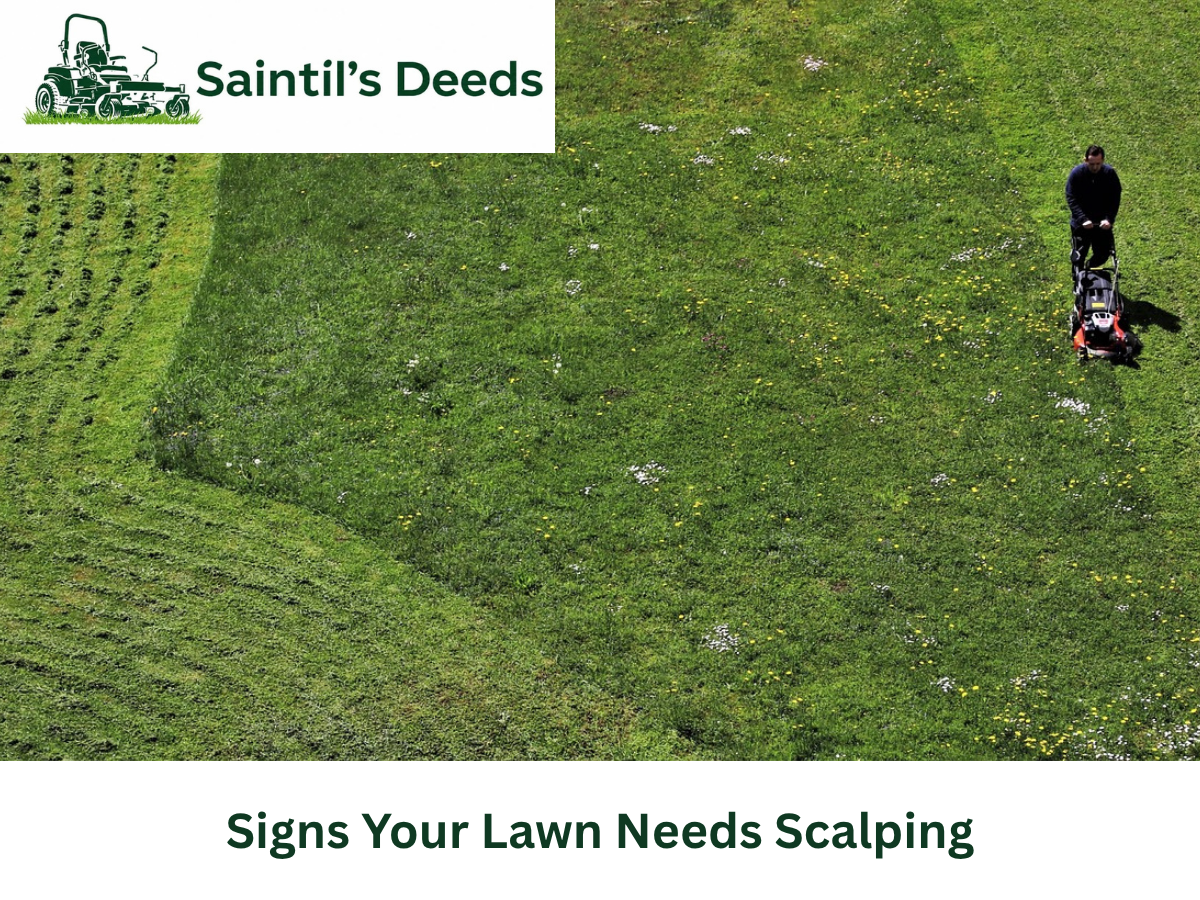
This is where lawn scalping becomes an important maintenance step. While the word may sound harsh, scalping simply means cutting the grass much shorter than usual to remove dead material and encourage fresh, healthy growth. When done correctly and at the right time, it can restore weak or patchy lawns and improve overall turf health.
However, not every lawn needs scalping, and doing it at the wrong time can cause stress to the grass. Understanding the signs that indicate your lawn may need scalping is essential before taking action. In this guide, we will explore those signs, explain how the process works, and help you decide whether it is the right choice for your yard. We will also naturally reference Lawn Scalping and include insights that help you avoid common mistakes.
For homeowners who also value structured guidance in lawn care planning, resources like Saintil’s Deeds provide additional support and lawn maintenance insights for U.S. properties.
What Is Lawn Scalping and Why It Matters
Lawn scalping is the practice of mowing grass significantly shorter than the normal cutting height, usually at the beginning of the growing season. The goal is not to damage the lawn but to remove old, dead grass blades and thatch buildup so that new growth can come through more easily.
Unlike regular mowing, which maintains appearance, scalping focuses on renewal. It is often used on warm-season grasses such as Bermuda or Zoysia, which respond well to aggressive early-season cutting.
Why is it done
- Removes dead grass that blocks sunlight and airflow
- Encourages fresh green shoots to grow faster
- Helps reduce pest hiding areas
- Improves nutrient absorption into the soil
- Prepares the lawn for the peak growing season
However, scalping is not suitable for every lawn type or every season. Cool-season grasses, for example, may suffer damage if cut too low.
Sign 1: Thick Layer of Thatch is Visible
One of the clearest signs that your lawn may need scalping is a thick thatch layer. Thatch is a buildup of dead grass, roots, and organic material that sits between the soil and green grass blades.
How to identify thatch buildup
- Grass feels spongy when you walk on it
- Water pools instead of soaking in
- You can see brown, dry material at the base of the grass
- Lawn looks uneven or patchy despite watering
A thatch layer thicker than half an inch can start to suffocate your lawn. In such cases, scalping helps remove excess buildup and allows sunlight and air to reach the soil.
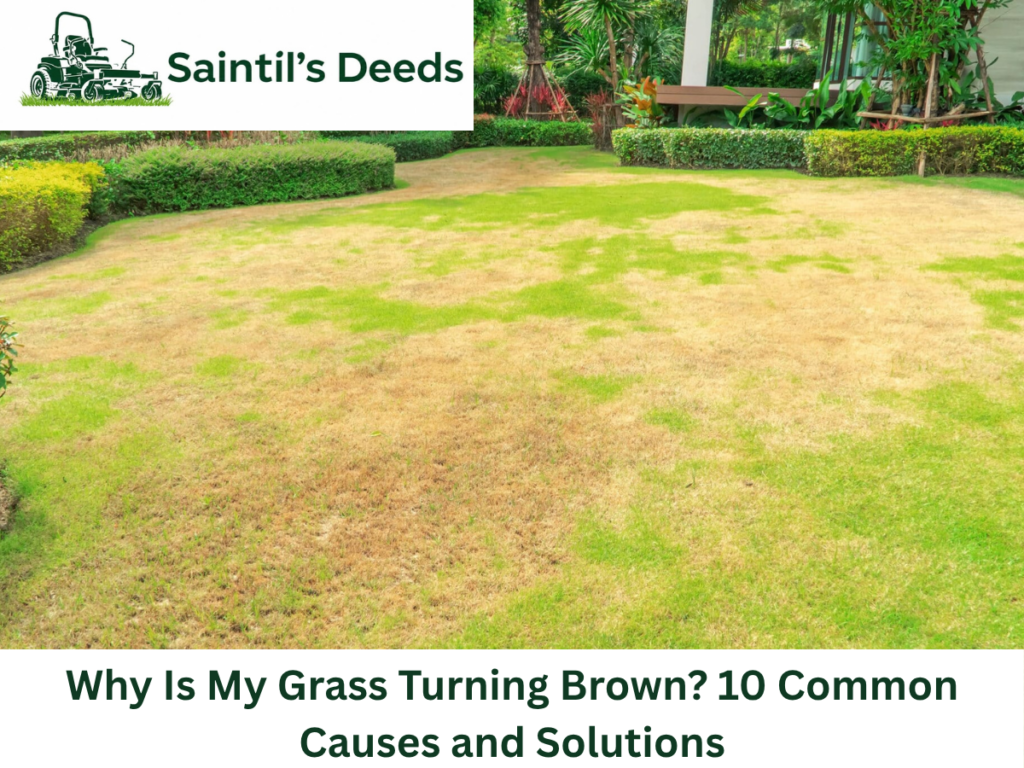
For example, homeowners often notice that after winter, their lawn looks green on top but brown underneath. This is a strong indicator that scalping may be needed to reset growth.
Sign 2: Uneven Grass Growth and Patchy Appearance
If your lawn looks uneven, with some areas growing faster than others, it may be struggling with old-growth interference. This is another common sign that scalping could help.
What causes uneven growth
- Old grass blocking sunlight
- Compacted soil in certain areas
- Poor nutrient distribution
- Seasonal growth cycles
When grass becomes too dense in some spots, it prevents new shoots from growing evenly. Scalping removes this old layer, giving all areas a fresh start.
Example
A lawn that looks green at the edges but brown or thin in the center often benefits from controlled scalping. After treatment, new shoots tend to grow more uniformly across the yard.
Sign 3: Grass Feels Too Dense or Overgrown at the Base
A lawn may look healthy from a distance but feel overly thick and tangled at the base. This is a sign that older blades are not breaking down naturally.
Signs of overgrowth
- Difficult to see the soil when the grass is parted
- Grass clumps together tightly
- Mowing becomes uneven or leaves clumps behind
When grass becomes too dense, nutrients struggle to reach deeper layers. Scalping removes the heavy top layer, allowing better airflow and sunlight penetration.
This step is especially useful before peak growing seasons when grass needs energy for new growth.
Sign 4: Slow Green-Up in Spring
If your lawn takes longer than usual to turn green in spring, it may be struggling with leftover dead material from the previous season.
Why this happens
During winter, grass often goes dormant. Dead blades remain on top and block sunlight when temperatures rise again. This slows down new growth.
Scalping helps by removing the dead layer and exposing fresh grass shoots to sunlight earlier in the season.
What to look for
- Lawn stays brown longer than nearby lawns
- New growth appears uneven
- Green color develops in patches instead of evenly
When timed correctly, scalping can significantly speed up spring recovery.
Sign 5: Mowing No Longer Improves Lawn Appearance
If regular mowing is not improving the look of your lawn, it may be because old material is still trapped at the base.
Common signs
- Grass looks messy right after mowing
- Clippings do not break down properly
- The lawn appears dull even after trimming
This is often a signal that mowing alone is not enough. Scalping resets the lawn surface, allowing future mowing sessions to be more effective.
Sign 6: Excess Weed Growth in Weak Areas
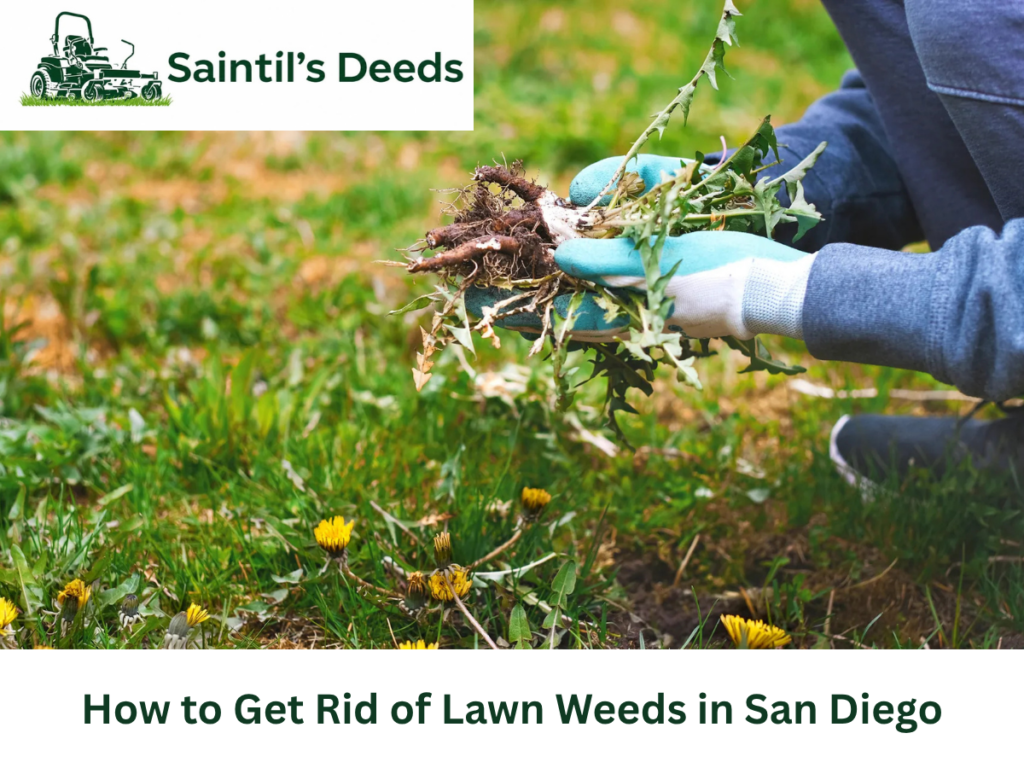
Weeds often take advantage of weak or unhealthy lawns. If you notice more weeds than usual, especially in patchy areas, scalping may help restore balance.
Why weeds increase
- Thin grass leaves soil exposed
- Poor nutrient absorption weakens turf
- Dead material creates space for weed seeds
By removing old growth, scalping encourages stronger grass regrowth, which can naturally reduce weed spread over time.
However, scalping should be combined with proper fertilization and watering for best results.
When You Should Avoid Lawn Scalping
While scalping can be helpful, it is not always the right solution. In some cases, it can stress or damage your lawn.
Avoid scalping if:
- Your lawn is already thin or weak
- It is a cool-season grass in hot weather
- There is drought or water restriction
- The lawn is newly seeded or recently repaired
Cutting too short under these conditions can slow recovery and even kill grass patches.
Best Practices for Safe Lawn Scalping
If your lawn shows several of the signs above, you may consider scalping carefully. Here are some safe practices:
Timing matters
- Do it at the start of the growing season
- Avoid extreme heat or cold periods
Mowing height
- Reduce height gradually if possible
- Avoid cutting too low in a single pass
Follow-up care
- Water the lawn after scalping
- Apply fertilizer to support regrowth
- Rake up dead material to prevent buildup
Proper aftercare ensures your lawn recovers quickly and grows stronger.
How Lawn Scalping Fits Into Long-Term Lawn Care
Lawn scalping should not be viewed as a frequent routine. Instead, it is a seasonal reset tool used when needed. A healthy lawn care schedule typically includes mowing, watering, fertilizing, and occasional dethatching.
When combined with proper maintenance, scalping can improve lawn density, color, and resilience.
For homeowners who manage larger properties or want structured maintenance planning, professional guidance such as Saintil’s Deeds can help ensure proper timing and technique.
Conclusion
Lawn scalping is a powerful but sometimes misunderstood lawn care practice. When used at the right time, it can remove old buildup, improve growth, and restore a healthier, greener lawn. However, it is not suitable for every situation and must be applied carefully.
By watching for signs such as thick thatch, uneven growth, slow spring recovery, and weak lawn performance, you can decide whether scalping is necessary for your yard.
A well-maintained lawn requires balance, timing, and attention to detail. If you are unsure about whether your lawn needs scalping, consider reviewing your lawn condition closely or seeking professional guidance to avoid unnecessary damage and ensure long-term health.
FAQs
What is lawn scalping in simple terms?
Lawn scalping is cutting grass very short to remove old growth and help new grass grow healthier.
Is lawn scalping good for all grass types?
No. It works best for warm-season grasses like Bermuda and may harm cool-season grasses if done incorrectly.
How often should I scalp my lawn?
Usually once per year at the beginning of the growing season, if needed.
Will scalping damage my lawn?
If done correctly and at the right time, it improves lawn health. If done too aggressively or at the wrong time, it can stress the grass.
What is the difference between mowing and scalping?
Mowing maintains height, while scalping removes old layers and cuts much closer to the soil.
Can scalping help with weeds?
Yes, indirectly. It strengthens grass growth, which reduces space for weeds to grow.
Should I fertilize after scalping?
Yes. Fertilizing after scalping helps support new growth and recovery.