
San Diego’s mild climate allows lawns to stay active for much of the year, but that does not mean fertilizer should be applied every month. Grass type, soil condition, temperature, irrigation, and the season all affect when and how much fertilizer your lawn needs.
For most San Diego homeowners, spring and early fall are important fertilizing periods. However, warm-season grasses and cool-season grasses have different growth cycles. Understanding your lawn before applying fertilizer can save money, prevent unnecessary growth, and help protect your grass from damage.
When Is the Best Time to Fertilize a Lawn in San Diego?
The best time to fertilize your lawn in San Diego depends largely on the type of grass growing in your yard. In general, fertilizer should be applied when grass is actively growing rather than when it is dormant or under severe weather stress.
Warm-season grasses usually benefit most from fertilizer during late spring and summer. Cool-season grasses often respond better to feeding during spring and fall. San Diego’s relatively mild winters can extend the growing season, but growth still changes as temperatures rise and fall.
Instead of fertilizing according to the calendar alone, watch your lawn. Active growth, healthy soil moisture, and moderate temperatures are better signs that the grass is ready for nutrients.
Spring Fertilization
Spring is an important period for many San Diego lawns. As temperatures become warmer and grass begins growing faster, the lawn needs nutrients to produce healthy blades and roots.
For warm-season lawns, it is usually better to wait until the grass has fully started growing instead of fertilizing at the first sign of warmer weather. Applying fertilizer too early may encourage weak growth or provide nutrients when the lawn cannot use them efficiently.
Cool-season grasses may also benefit from a moderate spring application. However, excessive nitrogen can cause rapid top growth and increase mowing and watering needs as summer approaches.
Summer Fertilization
Summer fertilization requires more care because San Diego lawns can experience heat and water stress. Warm-season grasses such as Bermuda grass generally remain active during warm weather and may benefit from properly timed feeding.
Avoid heavy fertilizer applications during periods of extreme heat, drought stress, or irrigation problems. Fertilizer encourages growth, and growing grass needs water. Feeding a lawn that cannot receive enough moisture can increase stress rather than improve its condition.
If your lawn is already brown, dry, or struggling, correct watering, soil, pest, or disease problems before adding more fertilizer.
Fall Fertilization
Fall can be one of the most useful fertilization periods for San Diego lawns, especially for cool-season grasses. Moderate temperatures provide favorable growing conditions, while fertilizer can support root development and help the lawn recover from summer stress.
A fall application may also improve lawn color and strength heading into cooler months. The exact timing should depend on grass type and current growth rather than a fixed date.
Avoid assuming that more fertilizer before winter automatically means a healthier lawn. Applying the right product at the right rate is more important than applying a large amount.
Winter Fertilization
Many lawns need less fertilizer during winter because growth slows. Warm-season grasses may become dormant or partly dormant as temperatures fall, making regular feeding unnecessary.
Cool-season lawns may remain greener during San Diego’s mild winter, but they still should not be fertilized without considering growth and soil conditions. If the grass is barely growing, additional nutrients may offer little benefit.
Know Your Grass Type Before Fertilizing
One of the biggest mistakes homeowners make is following a general fertilization schedule without identifying their grass. Different grass species respond to temperature and nutrients differently.
San Diego properties may have warm-season or cool-season grasses, and some lawns may contain a mixture. Identifying the dominant grass type helps determine when fertilizer should be applied.
Warm-Season Grasses
Bermuda grass, St. Augustine grass, and zoysia are examples of warm-season grasses used in Southern California landscapes. These grasses grow most actively as temperatures rise.
Late spring through summer is generally their strongest growing period. Fertilization during active growth can support color, density, and recovery from regular use.
Warm-season grass may slow down or lose color when temperatures fall. Applying large amounts of nitrogen during this period is generally less useful because the grass is no longer growing at its summer rate.
Cool-Season Grasses
Tall fescue is commonly used in California lawns and performs differently from warm-season varieties. Cool-season grass grows strongly during moderate temperatures and may struggle during prolonged summer heat.
Spring feeding can support early-season growth, while fall is often an important time for recovery and root development. Heavy summer fertilization may create additional stress, particularly when temperatures are high.
Knowing whether you have warm-season or cool-season grass is therefore one of the first steps toward creating a practical fertilizer schedule.
How Often Should You Fertilize Your Lawn?
There is no single fertilization frequency that works for every San Diego property. The right schedule depends on grass species, fertilizer type, soil fertility, irrigation, lawn use, and the appearance of the grass.
Many established lawns may be fertilized several times during their active growing season. However, applying fertilizer simply because a certain number of weeks have passed can lead to unnecessary applications.
A soil test provides better information about what your lawn actually needs. It can identify nutrient levels and soil conditions that affect how well grass absorbs fertilizer.
Professional lawn fertilization San Diego services can also help homeowners develop a schedule based on local growing conditions instead of relying on a general national lawn calendar.
Signs Your Lawn May Need Fertilizer
Poor color is often the first thing homeowners notice, but yellow or pale grass does not automatically mean the lawn needs fertilizer. Watering problems, compacted soil, insects, disease, pet damage, and mowing practices can create similar symptoms.
Slow growth and reduced lawn density may indicate a nutrient problem when other causes have been ruled out. A lawn that has difficulty recovering after regular use may also benefit from improved nutrition.
Before applying fertilizer, check the entire lawn. If only one small section is struggling while the rest looks healthy, a localized problem may be responsible.
Choosing the Right Fertilizer for a San Diego Lawn
Timing is only part of successful lawn fertilization. The fertilizer itself must provide nutrients appropriate for the grass and soil.
Most lawn fertilizers contain nitrogen, phosphorus, and potassium. These nutrients support different aspects of plant health, but lawns do not always need them in equal amounts.
Nitrogen
Nitrogen supports green color and leaf growth. It is an important lawn nutrient, but excessive nitrogen can cause rapid growth that requires more mowing and water.
Too much nitrogen may also create weak growth and contribute to fertilizer runoff if the lawn receives more nutrients than it can absorb. Apply fertilizer according to the product label and the needs of your grass.
Phosphorus
Phosphorus supports root development and other plant processes. However, established lawns may not always need additional phosphorus.
A soil test can help determine whether phosphorus is necessary. Applying nutrients without knowing whether the soil needs them can waste fertilizer and increase the risk of nutrients moving away from the lawn.
Potassium
Potassium contributes to overall plant strength and can help grass deal with environmental stress. Proper potassium levels can be particularly useful where lawns experience heat, traffic, or other challenging conditions.
As with other nutrients, the correct amount depends on existing soil conditions and grass needs.
Slow-Release and Quick-Release Fertilizers
Slow-release fertilizer supplies nutrients gradually over time. This can provide more consistent feeding and reduce sudden growth when applied correctly.
Quick-release products make nutrients available faster. They can produce quicker results but require careful application to avoid excessive growth or fertilizer burn.
For homeowners who prefer a more gradual approach, slow-release products can be easier to manage as part of a regular lawn care schedule.
How to Fertilize Your Lawn Correctly
Even the right fertilizer can cause problems when applied incorrectly. Uneven application may leave some areas dark green while others remain pale. Excessive fertilizer can damage grass and increase the chance of nutrients washing into sidewalks, streets, or storm drains.
Start by reading the fertilizer label carefully. Determine the recommended application rate and measure the lawn area so you know how much product is needed.
A broadcast or drop spreader can help distribute granular fertilizer more evenly than applying it by hand. Check the spreader settings recommended for the product and walk at a consistent pace.
Watering Before and After Fertilization
Watering requirements depend on the fertilizer product. Some fertilizers need irrigation after application so nutrients move into the soil, while others may have different instructions.
Avoid applying fertilizer immediately before heavy rain or excessive irrigation. Water moving across the soil surface can carry fertilizer away from the lawn before the grass benefits from it.
San Diego homeowners should coordinate fertilization with their irrigation schedule. Efficient watering and proper feeding work together to support healthy grass.
Avoid Fertilizing During Stress
A struggling lawn does not always need more fertilizer. Grass suffering from extreme heat, drought, disease, pests, or irrigation failure may not respond well to additional nutrients.
Correct the underlying problem first. Once the lawn returns to active growth, fertilizer can be used if nutrients are actually needed.
Keep Fertilizer Off Hard Surfaces
Fertilizer that lands on sidewalks, patios, driveways, or streets should be swept back onto the lawn. Do not wash it into the gutter.
Careful application helps reduce waste and keeps nutrients where they are intended to be used.
Common Lawn Fertilization Mistakes in San Diego
Applying too much fertilizer is one of the most common mistakes. Homeowners sometimes assume that doubling the fertilizer will produce a greener lawn faster. In reality, excessive fertilizer can burn grass, create unnecessary growth, and waste money.
Poor timing is another issue. Feeding dormant grass or fertilizing immediately before severe heat may provide limited benefit. Fertilizer works best when the lawn is healthy enough to use the nutrients.
Uneven spreading can also create visible stripes and patches. Using a properly calibrated spreader makes it easier to achieve consistent coverage.
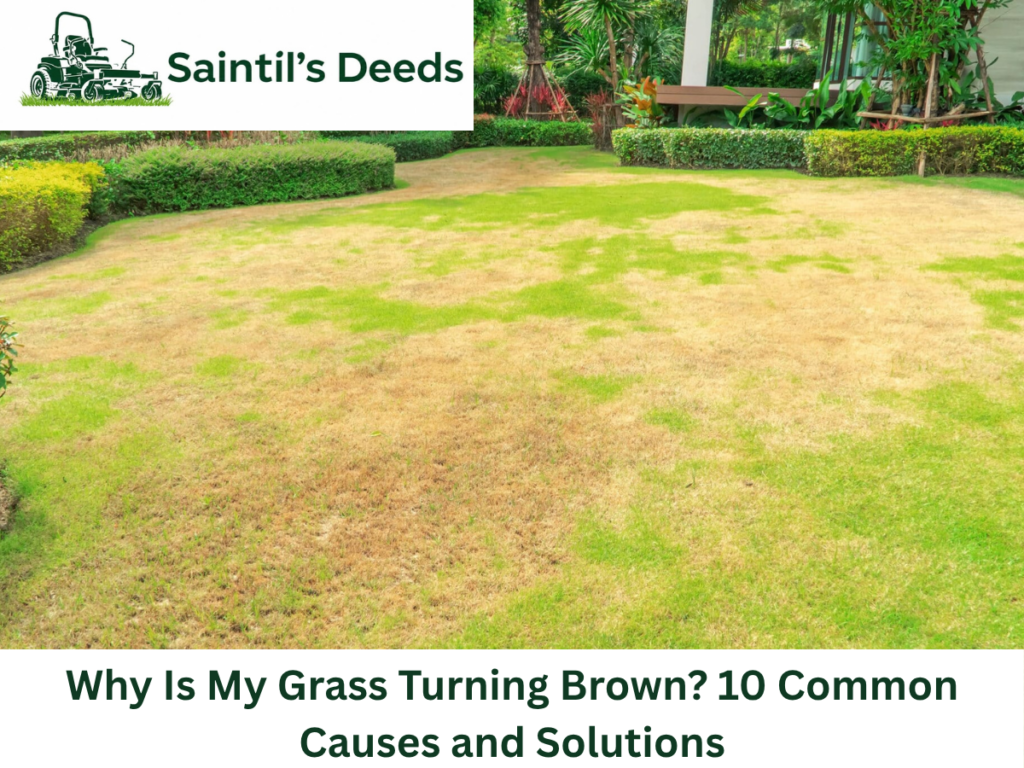
Another mistake is treating fertilizer as a solution for every lawn problem. Brown patches could result from irrigation coverage, pests, fungal problems, compacted soil, or mowing damage. Identifying the cause before treatment usually produces better results.
Finally, homeowners should avoid copying a fertilizer schedule designed for a completely different climate. San Diego’s mild winters, dry summers, and local watering conditions require a lawn care approach that fits Southern California.
For homeowners who prefer professional help, Saintil’s Deeds can evaluate lawn conditions and provide practical lawn care services based on the needs of the property. Professional care can be especially useful when you are unsure about your grass type, fertilizer selection, or seasonal schedule.
Conclusion
The best time to fertilize your lawn in San Diego depends on your grass type and its active growing season. Warm-season grasses generally respond best from late spring through summer, while cool-season varieties often benefit most from spring and fall feeding. Soil condition, irrigation, weather, and lawn health should also influence your schedule.
Good fertilization is about more than making grass greener. Proper timing and application help support healthy roots, consistent growth, and a lawn that can better handle seasonal stress. Avoid overfertilizing, follow product directions, and address watering or pest problems before assuming your lawn needs additional nutrients.
If you want help creating the right fertilization schedule for your property, contact Saintil’s Deeds for professional lawn care in San Diego. A well-planned approach can keep your lawn healthy while avoiding unnecessary fertilizer, water, and maintenance.
FAQs About Fertilizing Lawns in San Diego
What month should I fertilize my lawn in San Diego?
There is no single best month for every lawn. Warm-season grasses generally benefit from feeding during late spring and summer when they are actively growing, while cool-season lawns often benefit from spring and fall fertilization.
Can I fertilize my lawn during summer?
Yes, depending on your grass type and lawn condition. Warm-season grass can respond well to summer fertilizer, but avoid fertilizing lawns that are severely heat-stressed, dry, or unable to receive adequate irrigation.
Should I fertilize my lawn before or after watering?
Follow the directions on your fertilizer label. Some products should be watered into the soil after application. Avoid applying fertilizer before heavy rain or excessive watering that could cause runoff.
How many times a year should a San Diego lawn be fertilized?
The number of applications varies by grass type, soil fertility, and fertilizer formulation. Some lawns may need several applications during active growth, while others may need fewer. A soil test can help prevent unnecessary fertilization.
Why did my lawn turn brown after fertilizing?
Brown grass after fertilization can be a sign of fertilizer burn, particularly if too much product was applied or it was distributed unevenly. Heat and inadequate watering can make the problem worse.
Is a soil test necessary before fertilizing?
It is not required before every application, but a soil test can be very useful. It helps identify nutrient levels and can prevent you from applying nutrients your lawn does not need.
Is professional lawn fertilization worth it?
Professional service can be useful if you are unsure about grass type, application rates, seasonal timing, or recurring lawn problems. A professional can evaluate the lawn as a whole rather than treating poor color as a fertilizer problem automatically.